Structuring the Deal
Where The Pedal Meets The Metal

We Wrote the Book
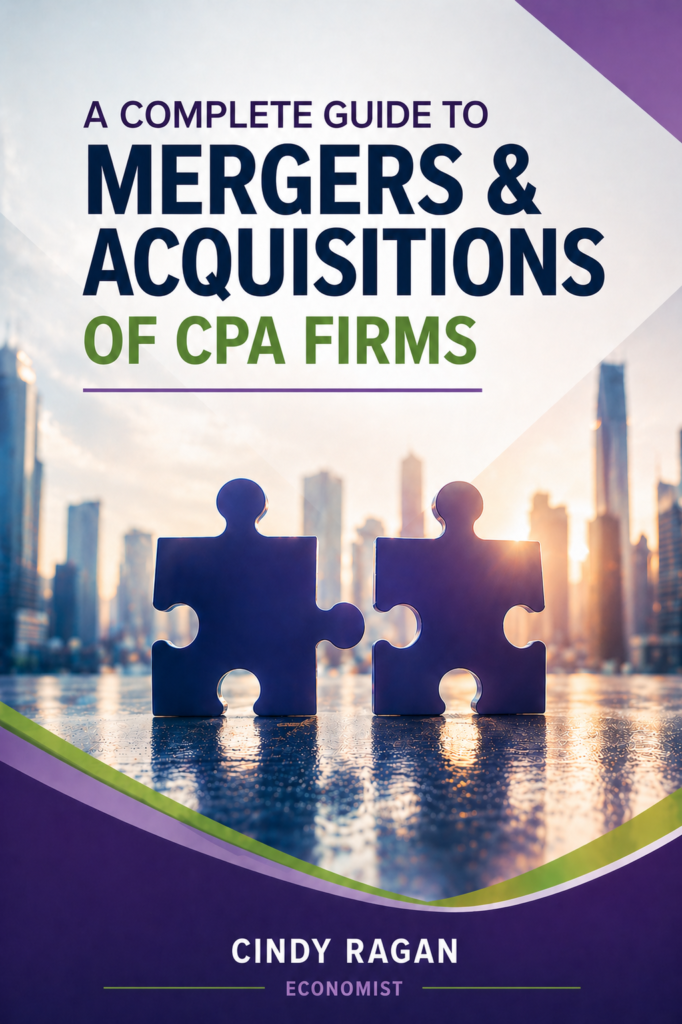
The Complete Guide to M&A of CPA Firms
By Cindy Ragan
CVA, Economist
Whether buying or selling your accounting practice the most important issues are negotiated in the Letter of Intent then formalized in the Purchase and Sale Agreement. These issues fall into the categories listed below. We have extensive case studies on each of these variables that we can share with our new clients, as no two transactions are ever the same. Contact us today to get the answers to these common, but critical, questions:
Core Letter-of-Intent Issues
Common — but critical — questions.
- What is the Multiple and Why?
- What is an appropriate Down Payment? Depends on the Structure of the Deal.
- Should the Purchase Price be Fixed or Adjustable?
- When should the Seller's Note Start? What about accrued interest?
- What is a reasonable Term and Interest Rate for the Seller Note?
- What is the Seller's Role & Compensation after the Sale?
- How long will the Seller Participate after the transaction, how long & in what capacity, who decides when it is time to exit.
- Should the Seller Participate in the growth of their book while employed full-time, if so how does that affect their compensation and/or buy-out.Should the Seller Participate in the growth of their book while employed full-time, if so how does that affect their compensation and/or buy-out.
- What will the Seller's title be? Will compensation be tied to performance?
- Employment/Contractor Agreement, which is better and why?
- Non-Competes, how long, how far, and how strict, what's legal?
- Allocation of Purchase Price — a give and take depending on other variables of the transaction; example, higher multiple a better tax implication for the buyer than the seller.
- Liabilities Assumed — what happens to liabilities that the Buyer doesn't want to assume?
Mergers Are Different
The Letter of Intent issues in a Merger differ from CPA practice sales:
- How do you value each firm — the same or with different multiples?
- How will Partners be Compensated — same as before or equal now?
- How will Profits be Shared?
- Who will be Managing Partner?
- What will be the Firm Name?
- How each Partner's Book will be handled, or should the firm concept be used?
- What will be the required Billable vs. Non-Billable Hours per Partner?
- Will Partners' Compensation also be tied to their Realization?
- What are the Partner Responsibilities?
- What Outside Commitments will be permitted?
- Expulsion, Death, Disability and Retirement of Partners — what will the Price and Terms be in each scenario?
Economies of Scale
Fall Right to the Bottom Line!!
The money to finance a merger or the purchase of a CPA firm must come from one of three places in order to be economically viable; 1) economies of scale savings, 2) a partner retiring, and/or 3) the growth that will result from the transaction. Economies of scale can be a large contributing factor in this equation. Economies of scale are dollar savings realized when two businesses are combined. These savings arise by 1) the elimination of duplicate expenses, and 2) the spreading of fixed costs over a larger revenue base.
These savings are often large enough to cover the debt-service required by either the Seller or a lending institution. Expenses with the largest savings include rent, utilities, advertising, insurance, salaries, and software subscriptions
Due Diligence
Don't look back and say "I Should've Known…"
Due diligence is a vital step in the transaction process whether merging or buying accounting practices. In addition to verifying income and expenses, every service, client (and their files), employee, and tax return must be quantified, analyzed and verified. As a seller, the best advice here is to perform a “mock” due diligence analysis before proceeding with any buyers. Skeletons need to be flushed out by the seller, not the buyer. A complete list for both small and large firms can be found in our book “The Complete Guide to Mergers & Acquisitions to CPA Firms” or by calling for Live Advice/Consultation.
Confidential. Senior-level. White-glove.
Ready to discuss your practice?
Every conversation begins with discretion and ends with a clear plan. Speak directly with Cindy Ragan, CVA.
From Blog